
Category: VMware Cloud Foundation
-

VCF 9.0 – Enable SSO using VCF Identity Broker
One of the new features introduced in VCF 9 is the VCF Identity Broker, which provides an improved Single Sign-On (SSO) experience. In this article, I’ll show you how to prepare your environment to enable SSO across your VCF Fleet. To get started, navigate to Fleet Management > Identity Access.…
-
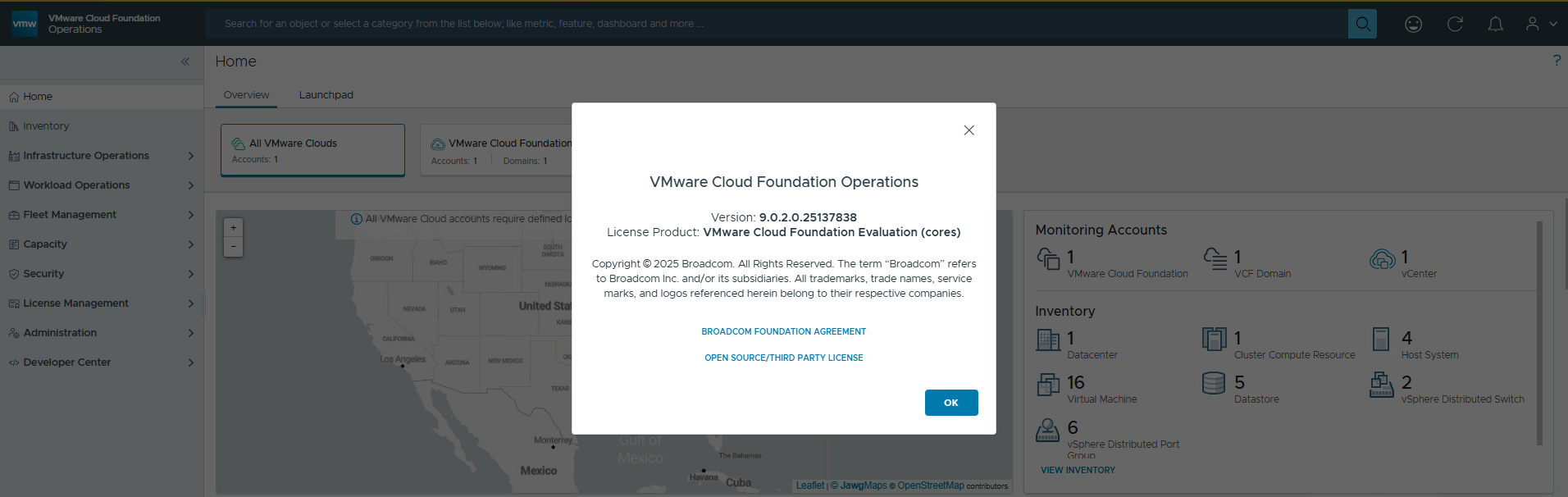
VCF 9.0 – Deploying the VCF Fleet Components
If you’re planning to deploy VCF 9.0, it’s important to prepare your environment in advance. In my last article, I explained how to deploy the VCF Installer and how to set up an offline depot. But now the real deployment begins. Although deploying infrastructure can be fun, when it comes…
-
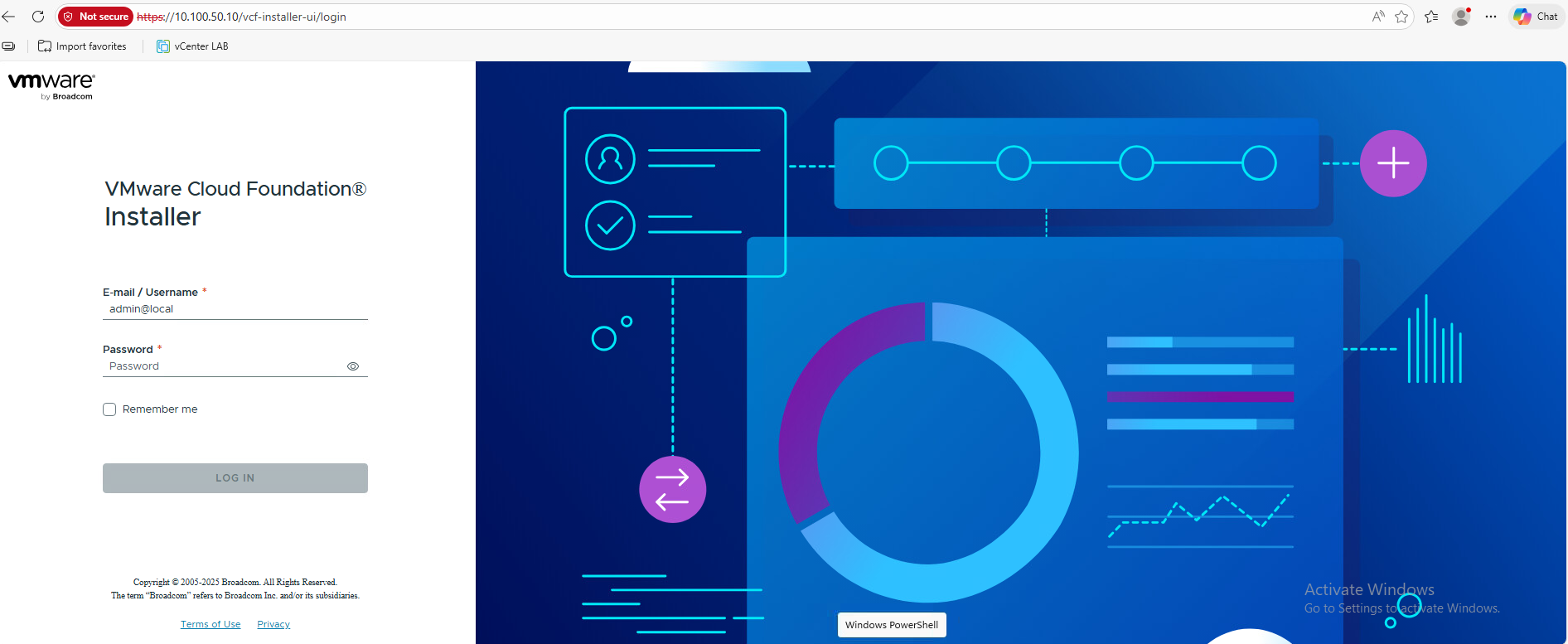
VCF 9.0 – How to Deploy the VCF Installer
Deploying VCF 9 starts with the VCF Installer. If you’re not familiar with it, it have been said the VCF Installer “introduces a more flexible set of deployment workflows to suit an extended set of use cases.“ During the installation process, a few architectural decisions must be made, such as…
-
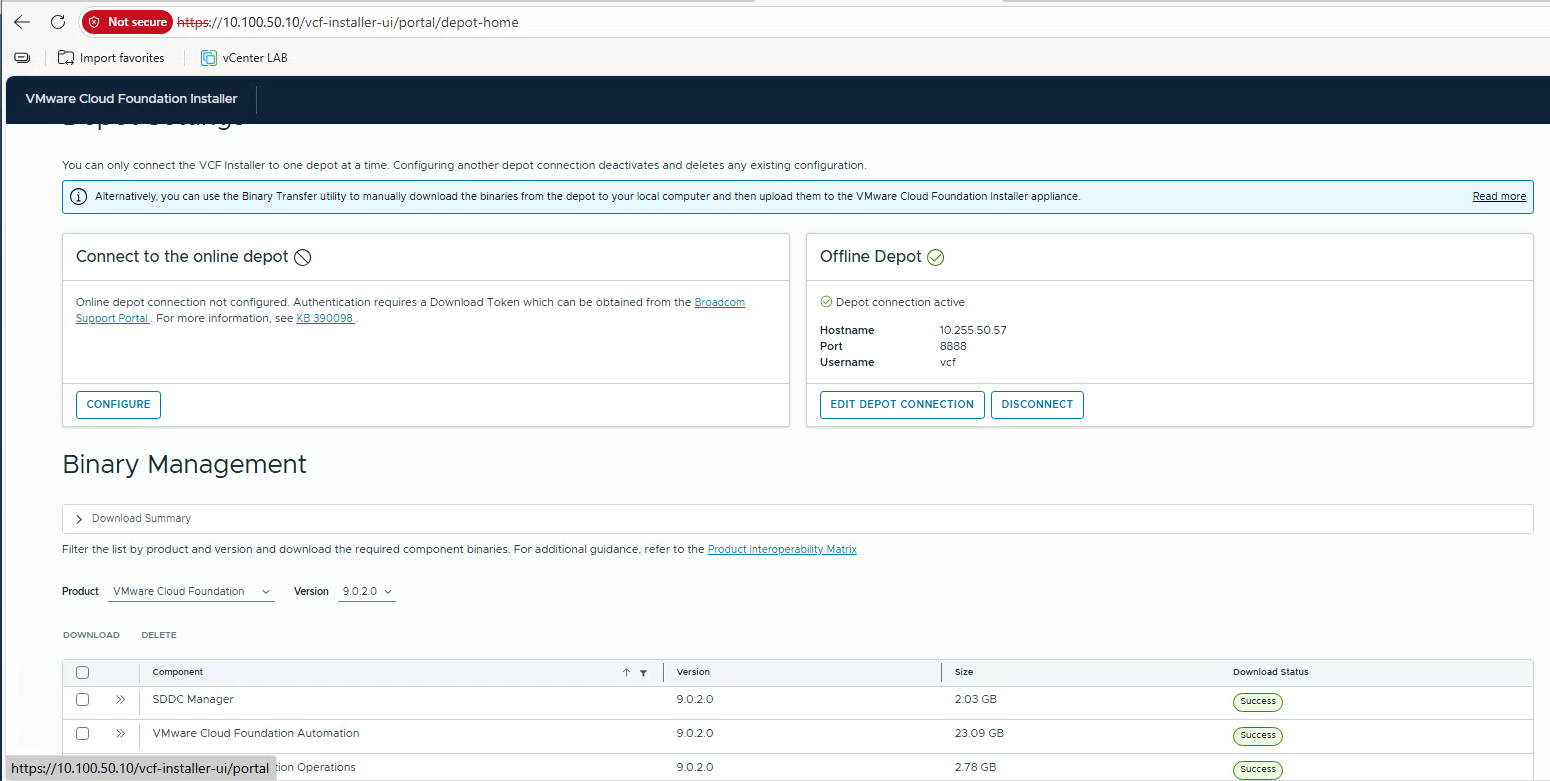
VCF 9.0 – How to Set Up a VCF Offline Depot
If you decide to deploy VMware Cloud Foundation (VCF) 9.0, one of the first tasks is to download the binaries you will use during the deployment. Broadcom provides two methods for doing this: Although the online method is simple and straightforward, certain circumstances may require the use of the offline…
-
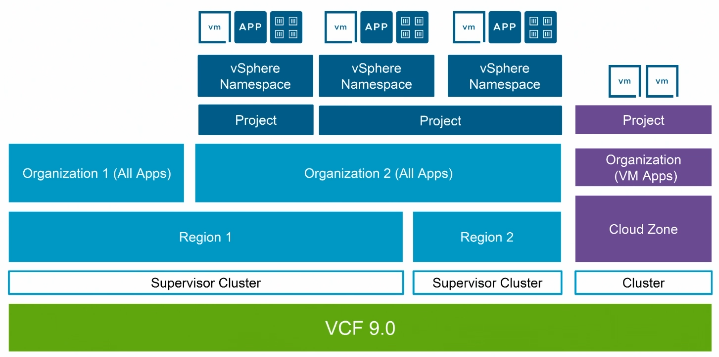
VCF Automation – Organization for All Apps vs VM Apps
One of the key announcements in VCF Automation 9 is the introduction of two types of organization – Organizations for All Apps and Organizations for VM Apps. While both organization types provide a robust automation platform, it’s important to understand the differences between them and when to use each one.…
-
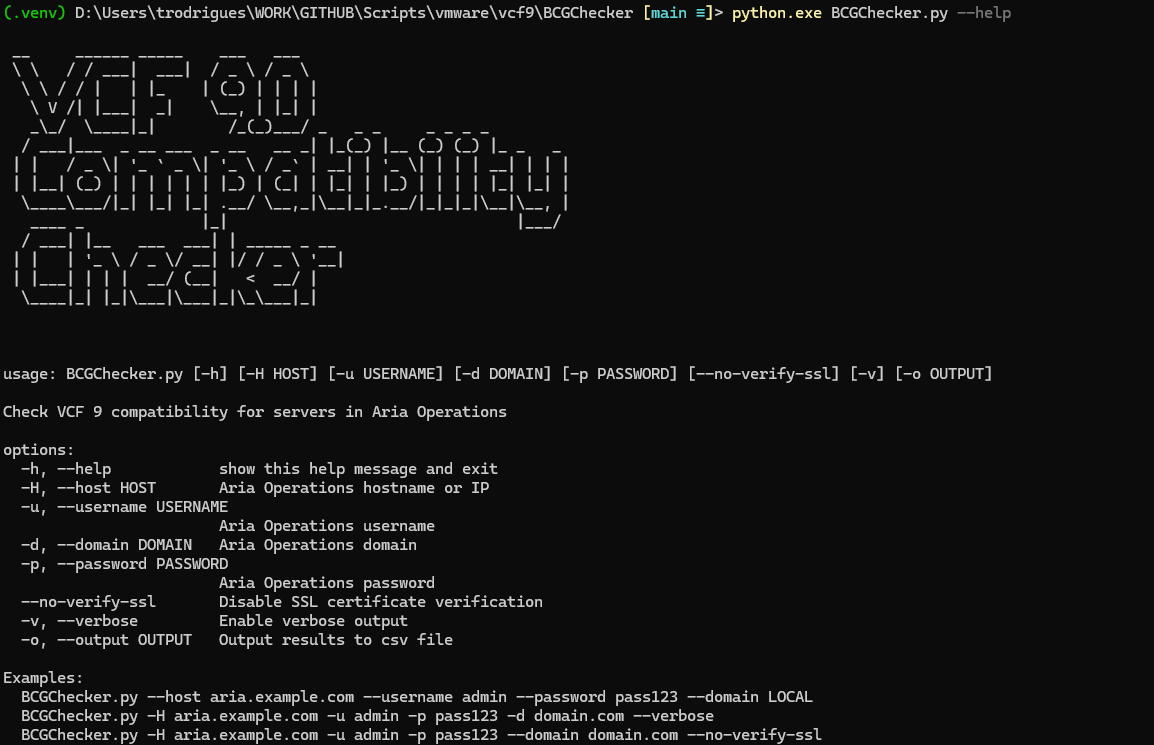
Programmatically check Broadcom Compatibility Matrix
For a long time, customers have been able to use the Broadcom Compatibility Guide to check which ESX versions their servers are compatible with. With VCF 9, this type of validation has become even more important. However, what if you have several different server models in your environment? With that…
-

VMware Cloud Foundation 9.0 – Fleet Latency Diagram
Recently, Broadcom published an architecture diagram that defines the maximum supported latency between the components of VMware Cloud Foundation. This material brought more clarity and made life easier for VCF architects, especially when planning multi-site environments. Since most VMware customers already have VMware solutions implemented (vSphere, Aria Operations, NSX), I…
-

Asymmetry in vSAN ESA – Part 2: The Role of RI and MU Disks
In this second part, we’ll explore how the types of disks used in a host or cluster can directly influence the behavior and construction of a vSAN ESA cluster. In my last article, Asymmetry in vSAN ESA – Part 1: What You Need to Know, I explained what it means to…
-
Asymmetry in vSAN ESA – Part 1: What You Need to Know
When configuring a vSAN ESA cluster, you may encounter servers that have asymmetrical disks. But what does this mean in practice, and what are the impacts? The asymmetry can occur both in terms of the available storage capacity on each host and the type of disk being used. What Is…
-
VMware Cloud Foundation 9.0 – A New Architecture Model – Part 2
On June 17, 2025, VMware Cloud Foundation 9 was officially released. Since then, many details about the updates have been shared. If you want to stay current with all the announcements, it’s worth following the official VMware blog. Last week I published part 1 of this series, where I talked…